General
Forecasting sunshine and picnics
This British Sandwich Week we talk about all things preserves- how you make and consume them and how NotaZone can help
Explore how Continuous production methods may clash with SALSA and BRCGS traceability and how NotaZone can solve this.
Every ingredient or packaging component carries potential risk, but it also carries the trust your customers place in you. Without full visibility, a single contaminated batch or mislabelled packaging run can cascade into a major safety incident that affects real people, not just production lines. Effective traceability gives manufacturers the reassurance that they can:
But traceability generates a huge amount of data, and without effective systems it’s difficult to turn that information into a clear picture. Fast paced food manufacturing needs tools that make it easy for your team to see what’s happening, act quickly, and protect the people who rely on your products every day.
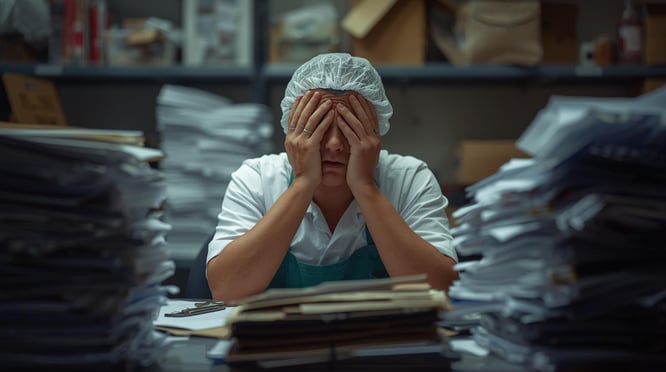
Not all food manufacturing follows neat, discrete batches. Many processes run continuously, with materials flowing, merging, and regenerating over time. These environments introduce unique traceability challenges, and are where traditional ERP systems struggle.
Continuous production requires a traceability platform that can track dynamic, ongoing, and regenerative material flows without losing accuracy. When materials are constantly being added, reused, or transformed, the risk of traceability gaps and errors increases dramatically.
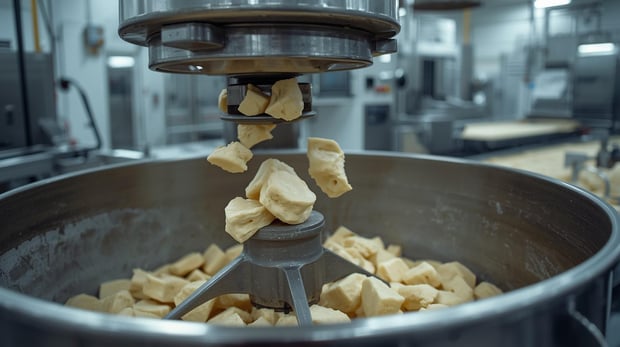
In bakeries and pastry operations, trimmings are routinely collected and reintroduced into new doughs. This creates a rolling material history where:
Without a system that can map these loops, manufacturers face exposure during audits and recalls. NotaZone handles rework seamlessly, linking every reintroduced material back to its original source.
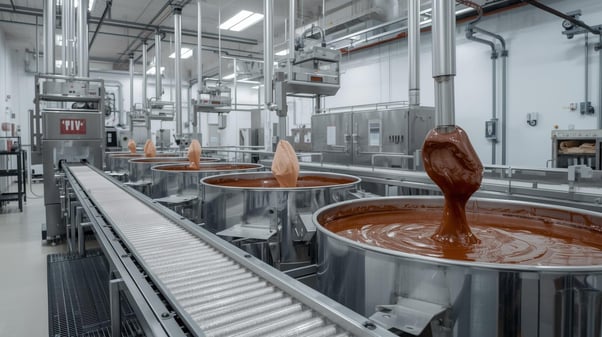
Chocolate production often involves constant melting of new chocolate into an existing mass, which is topped up throughout the shift, which creates a “living batch” where composition changes over time. Multiple finished products are then drawn from this same continuous melt throughout the day. Traceability must capture:
NotaZone’s continuous‑flow tracking ensures every output can be tied to the exact inputs present at any time, something spreadsheet‑based systems simply can’t achieve.
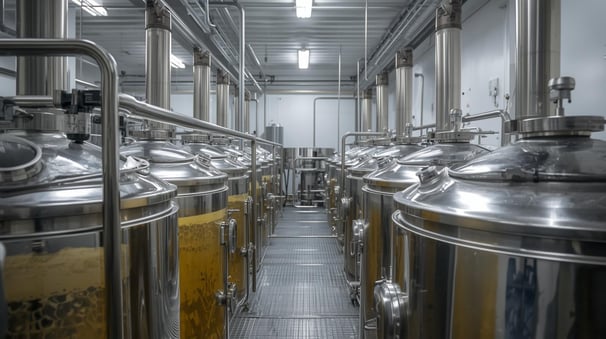
Fermented beverages rely on SCOBYs (Symbiotic Cultures of Bacteria and Yeast) that are reused across multiple generations, split, combined, or propagated, and influence the characteristics of each batch.
This regenerative process makes traceability complex. Manufacturers must track:
NotaZone captures these biological “family trees” with clarity, ensuring full transparency for audits, certifications, and root‑cause investigations.
Plenty of systems promise traceability, but NotaZone is built for the real challenges of food manufacturing, not just the easy stuff.
And it's not just ingredients. It tracks everything:
Every movement is captured, timestamped, and linked, giving you a complete, audit-ready digital thread, to provide fast recall and audit performance, enabling instant forward and backward tracing, complete material histories, and auditor‑ready reports in seconds.
The system integrates smoothly with existing production lines, batching methods, packaging formats, supplier documentation, and quality workflows, enhancing operations without forcing process changes, and still accommodating continuous improvement.
So why not join the growing community of food producers who can actually trace their safety culture and operational excellence down to the last batch with NotaZone?
This British Sandwich Week we talk about all things preserves- how you make and consume them and how NotaZone can help
Discover how NotaZone can help you maintain food safety compliance with these expert tips.
Discover the essential components for ensuring HACCP compliance in a smoothie kitchen. Learn how to maintain food safety standards and customer trust...