Food Safety/Hygiene
Questions about Quarantine
In the high-stakes world of food production, safety isn’t just at the top of the to-do list—it’s the head chef running the whole kitchen. And when it...
In the food industry, risk isn’t just about profit margins or supply chain hiccups—it’s about public health, regulatory compliance, and brand integrity. A single oversight can lead to contamination, allergic reactions, or widespread illness. That’s why skipping a risk assessment isn’t just careless—it’s dangerous.
🔎 What Is a Risk Assessment in Food Operations?
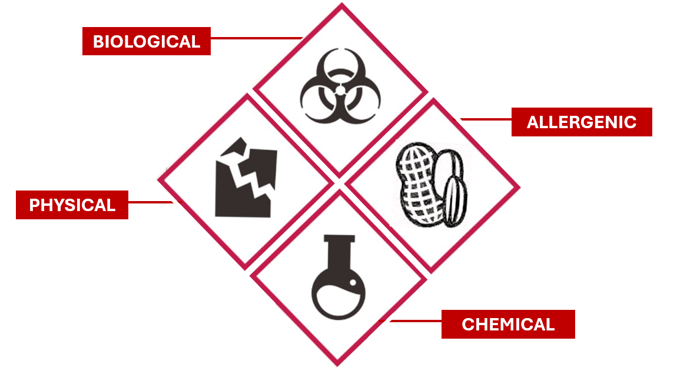
A food industry risk assessment identifies potential hazards—biological, chemical, physical, or allergenic—that could compromise food safety. It evaluates the likelihood and severity of these risks and outlines control measures to prevent or reduce them to keep consumers safe.
This process is central to HACCP (Hazard Analysis and Critical Control Points), the globally recognized framework for food safety management.
⚠️ What’s at Stake Without One?
Neglecting risk assessments can trigger a cascade of consequences:
🧠 The Illusion of Safety
Just because “nothing’s gone wrong yet” doesn’t mean your system is safe. Complacency is a silent threat. Risk assessments aren’t about reacting to problems—they’re about preventing them before they happen.

🛡️ Building a Safety-First Culture
To embed risk awareness into food operations:
✅ Final Thoughts
Skipping a risk assessment in food production is like seasoning a dish with guesswork—it might taste fine today, but tomorrow it could poison someone. In an industry where safety is the main ingredient, risk assessments and NotaZone are the recipe for reliability.
In the high-stakes world of food production, safety isn’t just at the top of the to-do list—it’s the head chef running the whole kitchen. And when it...
In the food industry, the “goods in” process is much more than just ticking boxes—it’s your frontline defence for compliance and quality. Whether...
In the food industry, product specifications are more than just paperwork—they're the backbone of quality assurance, safety compliance, and consumer...